



Dog Plaque vs Tartar: What Is the Difference?
Noticing yellow dog teeth can be alarming for a loving owner. You might wonder if it is a simple film or a hard build-up. Knowing the difference between dog plaque and tartar is the first step in helping your dog maintain a healthy mouth.
Direct Answer & Decision Fast
The short answer: Plaque is a soft, sticky film of bacteria that forms on dog teeth every day. Tartar (calculus) is plaque that has absorbed minerals from saliva and hardened into a crusty, rock-like shell. While soft plaque can be managed at home with daily oral hygiene habits, hardened tartar cannot be brushed or washed away—it requires safe, professional scaling by your veterinarian.
What is the difference between dog plaque and tartar?
Dog plaque and dog tartar are two stages of the same problem. They require completely different approaches.
Plaque forms daily. It is a sticky, invisible or slightly yellow film of bacteria that coats the teeth. You can manage plaque with a daily dental-care routine.
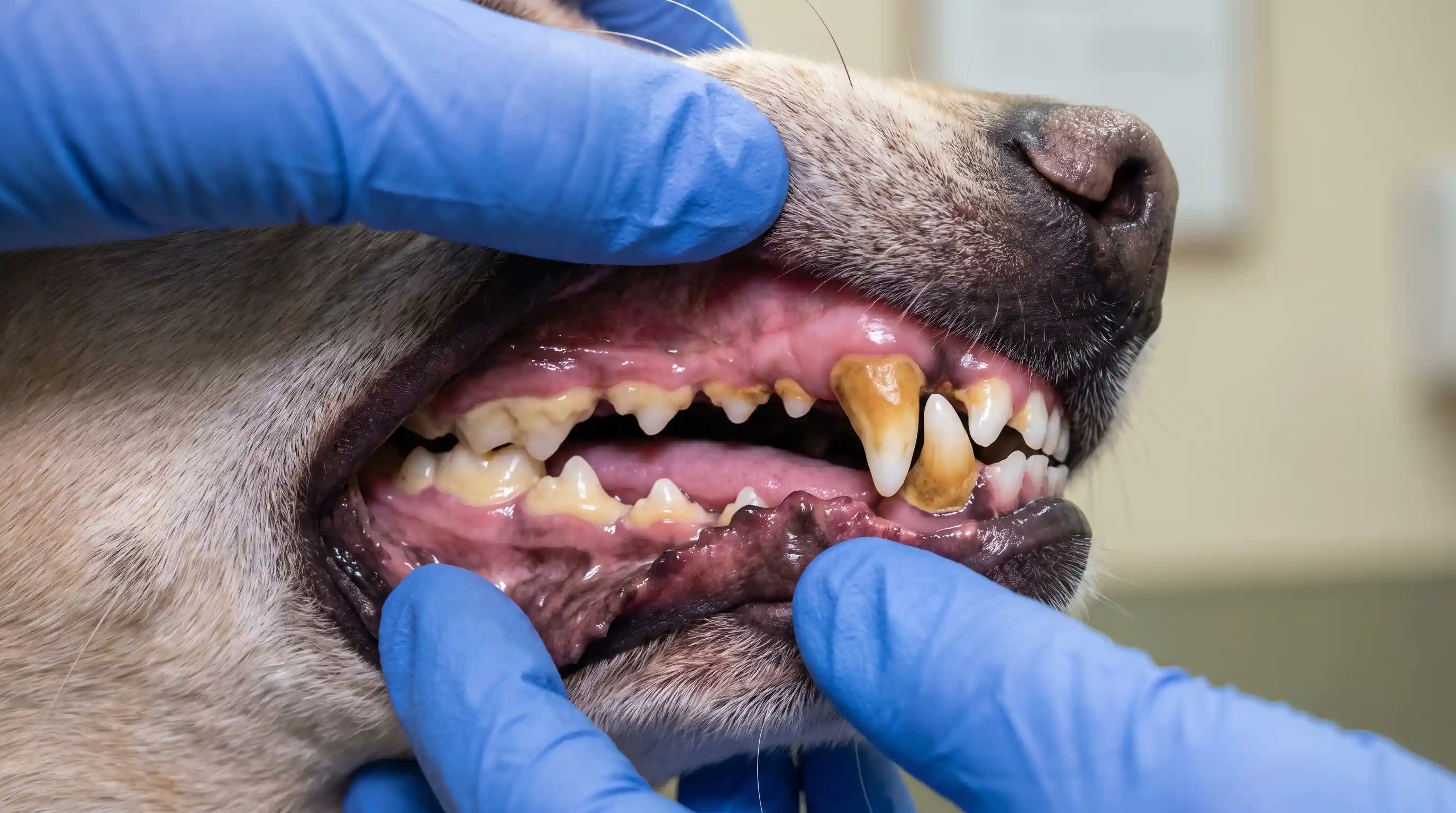
Tartar (also called calculus) happens when plaque sits on the teeth too long. Minerals from your dog's saliva mix with the plaque. It hardens into a tough, crusty, yellow or brown layer. You cannot brush or wash tartar away.
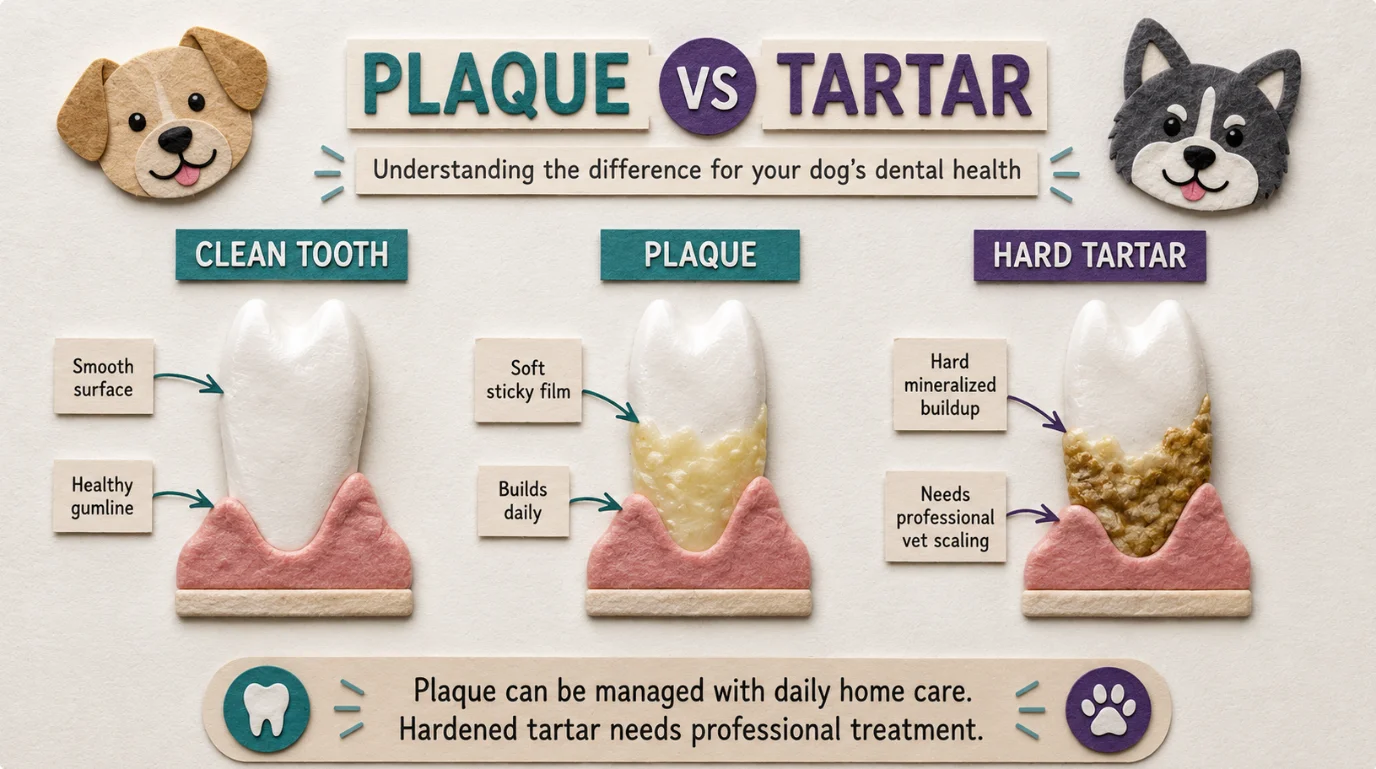
| Feature | Dog Plaque | Dog Tartar |
|---|---|---|
| Texture | Soft, sticky bacterial film | Hard, crusty mineralised ridge |
| Appearance | Clear or faint light yellow | Yellow, brown, or dark calcification |
| Removal | Manageable at home (Daily routine / Plaque-Less) | Requires veterinary professional scaling |

What you may notice at home
You know your dog best. Checking their mouth helps spot issues early. Look for these signs during your regular checks.
Early on, you might notice bad breath. This is often the first clue that plaque is building up. The teeth might look a little dull or have a faint yellowish tint near the gums.
As tartar forms, the signs become obvious. You will see a hard, discoloured ridge forming near the gumline. This is established dog tartar. The gums might look red or swollen. Your dog might also drop food or shy away when you touch their face.
If you see a hard yellow ridge, it is a reason to get good advice, not to reach for a metal pick.
What daily care can help with
A strong daily routine targets soft plaque before it hardens. Consistency is the secret.
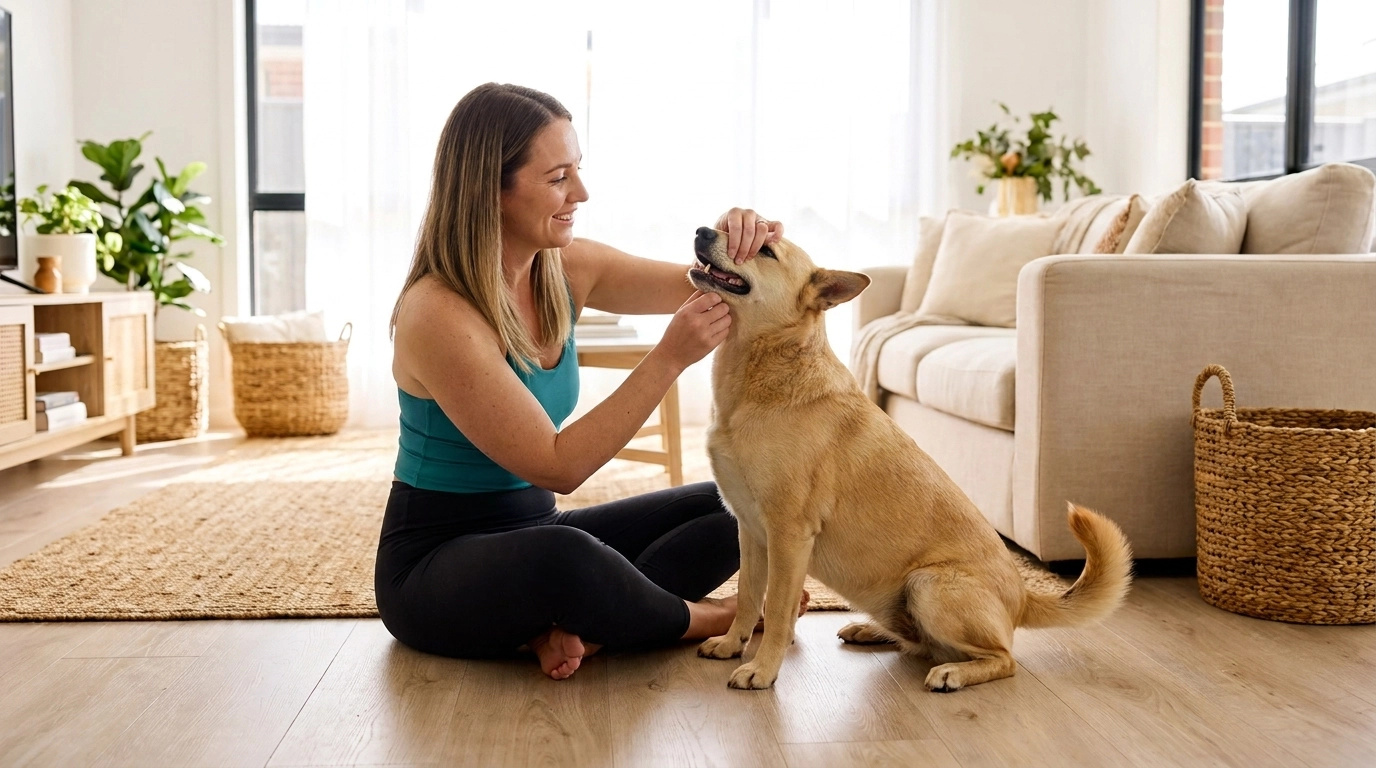
Brushing is the gold standard for physically sweeping away soft plaque. However, brushing can be a battle. Not all dogs tolerate it well.
If brushing is a struggle, you can support their oral hygiene with a daily food topper. Products like Plaque-Less are designed as a daily oral hygiene support powder. Plaque-Less is added to your dog's meal. It supports a healthy mouth without the stress of forced brushing or changing their water bowl. It helps manage daily plaque, but it does not remove or soften established tartar.
What established tartar needs
Once tartar forms a hard shell, home care is no longer enough. You must seek professional help.
Attempting dog tooth tartar removal at home is dangerous. Do not use metal scrapers or picks. You can easily slip, slice their gums, or permanently damage their tooth enamel. Sharp tools cause pain and fear.
Read our safe tartar guidance for more details on why DIY scraping is harmful.
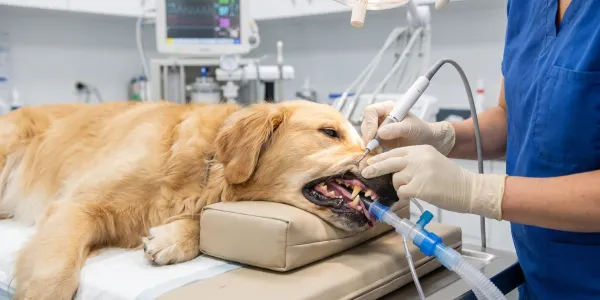
Your vet is the safest option. They use proper tools and anaesthetic to clean above and below the gumline safely. They can check for hidden issues and give your dog a fresh start. Once the vet clears the tartar, you can resume your daily routine to manage new plaque.
Frequently Asked Questions
Is yellow on dog teeth tartar?
Yellow on dog teeth can be early plaque build-up or hardened tartar. Plaque is a soft film. Tartar forms a hard yellow or brown ridge near the gumline.
Can I remove tartar at home?
No. Never try dog tooth tartar removal at home with sharp tools. It risks damaging the enamel or hurting your dog's gums. Hard tartar needs veterinary care.
Can powder remove tartar?
No powder or daily support can dissolve or remove established hard tartar. Products like Plaque-Less support daily oral hygiene to help manage soft plaque before it hardens.
When should a vet look?
A vet should look if you see a hard, yellow-brown ridge, red gums, or if your dog shows signs of mouth pain. They provide a safe evaluation and cleaning.
Related Articles in Dog Dental Care
Can You Remove Dog Tartar at Home Safely?
Understand the risks of DIY scraping tools and what safely belongs under veterinary care.

How to Clean Dog Teeth Without Brushing
Discover 5 simple, stress-free ways to keep your dog's teeth clean and breath fresh without toothbrushing battles.

Do Dog Dental Powders Actually Work?
Read realistic expectations on what daily seaweed food toppers can do for plaque control and saliva chemistry.