


Symptoms of a Dog with Thyroid Problems: A Calm Guide for Owners
The primary symptoms of a dog with thyroid problems (hypothyroidism) include unexplained weight gain without increased appetite, persistent lethargy, cold intolerance, skin hyperpigmentation, dry brittle fur, and hair loss along the tail and flanks. Overactive thyroid (hyperthyroidism) is rare in dogs. Because these symptoms overlap with other conditions, veterinarians confirm thyroid disease using physical exams and complete blood panels.

What Are the Common Symptoms of Hypothyroidism in Dogs?
The thyroid gland is a small, two-lobed endocrine structure located along the trachea (windpipe) in a dog's neck. Despite its small physical size, the thyroid plays a central role in canine physiology. It extracts dietary iodine to manufacture two primary thyroid hormones: thyroxine (T4) and triiodothyronine (T3).
These hormones act as the master metabolic regulator for nearly every tissue in the canine body. They govern baseline metabolic rate, cell oxygen consumption, body temperature regulation, heart rate, lipid breakdown, and hair follicle growth cycles. When thyroid hormone production becomes deficient, it produces noticeable shifts across multiple body systems.
Early Warning Signs of Canine Hypothyroidism to Watch For
Early warning signs of an underactive thyroid in dogs often develop gradually. Owners typically observe a slight reduction in daily energy, subtle weight accumulation despite normal meal portions, and a dulling coat. Catching these early signals allows veterinarians to run targeted diagnostic panels before severe metabolic slowing occurs.
What Are the Common Symptoms of an Underactive Thyroid in Dogs?
When pet owners begin researching thyroid conditions online, they frequently encounter articles blending canine and feline medical information. However, dogs and cats experience thyroid disorders in fundamentally different ways:
1. Hypothyroidism (Underactive Thyroid — Common in Dogs)
Hypothyroidism occurs when the thyroid gland fails to produce sufficient thyroid hormones. In dogs, this is predominantly an acquired primary condition occurring in adult or senior dogs (typically between 4 and 10 years of age).
Pathologically, canine hypothyroidism is usually caused by either immune-mediated lymphocytic thyroiditis (where the immune system gradually targets thyroid tissue) or idiopathic thyroid atrophy (where functional thyroid tissue degenerates over time).
2. Hyperthyroidism (Overactive Thyroid — Uncommon in Dogs)
Hyperthyroidism involves an overproduction of circulating thyroid hormones. While benign thyroid adenomas make hyperthyroidism one of the most frequent diagnoses in senior cats, hyperthyroidism is uncommon in dogs.
When hyperthyroidism does occur in dogs, it is usually associated with functional thyroid carcinomas (malignant thyroid tumors) or excessive exposure to exogenous thyroid hormone (such as accidental ingestion of human or veterinary thyroid medication).
Prevalence Context
In a large UK primary-care study, 0.23% of dogs had a hypothyroidism diagnosis in one year. If that rate were the same in Australia, it would equate to roughly 17,000 dogs—but Australia does not have an equivalent national registry.
Dog Thyroid Symptoms Checker
Log your dog's specific symptoms, onset timeline, and diet into a structured observation summary to bring to your veterinary appointment.
How Does a Dog's Weight Change with Thyroid Problems?
One of the most frequent queries from dog owners is: How does a dog's weight change with thyroid problems?
Because thyroid hormones regulate cellular metabolic rate and fat metabolism, a drop in circulating T4 and T3 causes the body to burn calories at a reduced rate. As a result, dogs with hypothyroidism typically gain weight without eating extra food or increasing their calorie intake.
Unlike overeating-related weight gain where dogs appear eager for food, hypothyroid dogs often maintain a normal or even reduced appetite while continuing to gain weight.
Can a Dog's Coat and Skin Problems Be Linked to Thyroid Issues?
Yes, skin and coat changes are among the most classic clinical symptoms of a dog with thyroid problems. Thyroid hormones govern the hair follicle growth cycle (initiating the anagen growth phase) and maintain the cutaneous lipid barrier.
Dermatological Signs Linked to Canine Thyroid Dysfunction
- Symmetrical Flank Hair Loss: Hair thinning along both sides of the trunk without intense itching.
- "Rat Tail" Appearance: Hair loss and thickening skin along the tail.
- Hyperpigmentation & Dryness: Darkening of abdominal skin and brittle, dry fur.
- Recurrent Skin & Ear Infections: Secondary bacterial or yeast infections due to altered skin immunity.
What Behavioural Changes Indicate a Dog Might Have Thyroid Disease?
Hypothyroidism alters energy levels and neurological function. Common behavioural and mental shifts include:
- Marked lethargy, excessive sleeping, and difficulty waking up
- Reluctance to go on walks, play, or jump into vehicles
- Seeking warm resting places due to reduced body temperature regulation (cold intolerance)
- Mental dullness or decreased responsiveness to familiar commands
The Critical Diagnostic "Overlap" Trap
These signs overlap with many other conditions. Ordinary tiredness, middle-age metabolic slowing, joint discomfort, seasonal skin allergies, or dietary changes can produce clinical pictures identical to hypothyroidism.
Assuming that a heavy or sluggish dog automatically suffers from a thyroid condition can cause pet owners to miss other underlying health issues. Attempting to self-diagnose or alter diets and supplements without professional blood testing delays appropriate veterinary care.
How to Recognise Thyroid Disease Symptoms Early & Get a Vet Diagnosis
Accurately diagnosing hypothyroidism in dogs requires a structured medical approach. According to the American Animal Hospital Association (AAHA) 2023 Endocrinopathy Guidelines, hypothyroidism is one of the most commonly overdiagnosed endocrine conditions in dogs when practitioners rely on isolated screening tests.
A definitive veterinary diagnosis combines three distinct evaluation phases:
1. Comprehensive Clinical History & Physical Exam
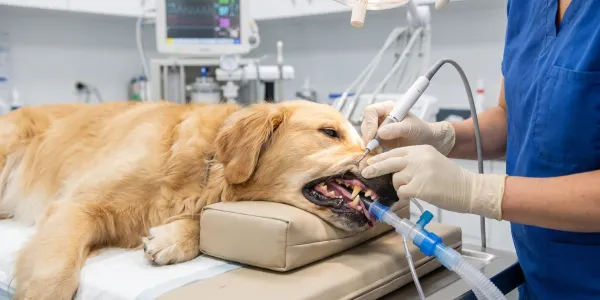
Your vet will review caloric intake, weight history, activity shifts, dermatological progression, and perform a physical exam checking heart rate, skin condition, and palpating the cervical region.
2. Complete Diagnostic Blood Panel
A thorough endocrine evaluation evaluates multiple blood markers simultaneously: Total Thyroxine (TT4), Free T4 by Equilibrium Dialysis (fT4-ED), Endogenous Canine TSH (cTSH), and Anti-Thyroglobulin Antibodies (TgAA).
3. Ruling Out Non-Thyroidal Illness ("Euthyroid Sick Syndrome")
Non-thyroidal diseases (such as severe systemic infections, liver or kidney disease, or chronic stress), concurrent medications (including glucocorticoids, phenobarbital, or NSAIDs), and normal breed variations (e.g. Sighthounds having naturally lower baseline T4) can depress circulating T4 levels in dogs with normal thyroid glands.
Key Takeaway: A single low total T4 blood result alone does not confirm hypothyroidism.
Standard Veterinary Treatments & Ongoing Management
When a veterinarian confirms a diagnosis of hypothyroidism, the prognosis for long-term health and vitality is excellent. Canine hypothyroidism cannot be cured, but it can be managed effectively throughout the dog's life.
Prescription Hormone Replacement Therapy
Treatment consists of daily oral administration of levothyroxine (synthetic L-thyroxine). Because levothyroxine replaces the hormone the dog's thyroid gland can no longer produce, it restores normal blood hormone concentrations and metabolic regulation.
Dosing is determined exclusively by a licensed veterinarian based on body weight, clinical presentation, and baseline blood work. Most dogs show improvements in mental alertness and energy within 1 to 2 weeks, while dermatological recovery and hair coat regrowth typically require 4 to 8 weeks.
Monitoring & Bloodwork Schedule
Veterinarians re-evaluate therapeutic blood levels approximately 4 to 8 weeks after starting levothyroxine or adjusting doses. Blood samples are drawn at specific post-pill intervals (typically 4 to 6 hours after morning administration). Once optimal hormone levels are established, routine monitoring blood work is conducted every 6 to 12 months.
Medical Clarity on Dietary Claims
Dietary supplements, natural food toppers, or herbal ingredients cannot treat, correct, or replace prescribed veterinary levothyroxine therapy. If a dog has diagnosed hypothyroidism, prescription hormone replacement therapy under direct veterinary supervision is the only medically established treatment.
When to Seek Prompt Veterinary Assessment
While routine hypothyroidism develops gradually, certain clinical signs warrant prompt veterinary evaluation to identify or rule out serious medical issues:
- Rapid, unexplained weight loss or severe muscle wasting
- Noticeable swellings, enlargement, or lumps in the cervical (neck) region
- Sudden, severe weakness, acute lethargy, or collapse
- Marked increase in daily water intake (polydipsia) or urination frequency (polyuria)
- Persistent vomiting, diarrhea, or complete refusal to eat
Note: These are non-specific signs that can be caused by many different underlying medical conditions and require prompt professional evaluation by a veterinarian.
Dietary Iodine, Seaweed & Your Dog's Health
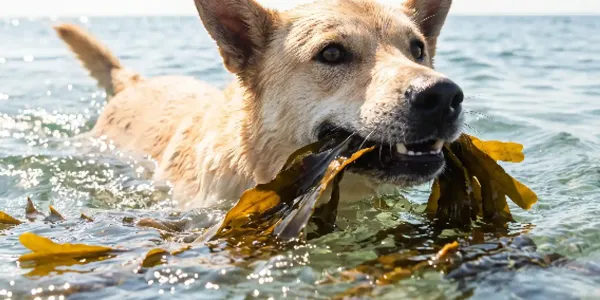
Pet owners frequently ask how dietary ingredients—specifically marine botanicals like seaweed (such as Ascophyllum nodosum)—relate to thyroid function.
Iodine is a necessary micronutrient used by healthy thyroid glands to produce thyroid hormone. In healthy dogs consuming complete and balanced commercial diets, baseline iodine needs are fully met. Because seaweed naturally contains organic iodine, reputable pet supplements carry clear label cautions advising owners to consult their veterinarian if their dog has a diagnosed thyroid condition or is receiving thyroid medication.
This label advice is a cautious, responsible safeguard: dogs undergoing medical management for thyroid disease require consistent, monitored nutrient intake, and their treating veterinarian should evaluate any new dietary additions against their specific treatment plan.
Explore the Canine Thyroid & Safety Guide Library
Learn more about how dietary ingredients, iodine levels, and veterinary advice intersect:
Dog Thyroid Symptoms Checker: Free Vet Visit Report
Record changes in your dog's weight, energy, coat, and behavior into a structured summary report for your vet visit.
LANE C: IODINE SAFETYAscophyllum Nodosum, Iodine and Dogs: Safety Guide
Understanding organic iodine, dietary requirements, FEDIAF safe upper limits, and serving math.
LANE C: LABEL TRANSPARENCYWhy Do Seaweed Dental Powders Warn About Thyroid Problems?
Demystifying label disclaimers, evidence boundaries, and why cautious vet advice matters.
LANE B: VET DIAGNOSTICSHow Vets Test for Hypothyroidism in Dogs
Plain-English guide to TT4, Free T4, TSH testing and why a single blood result is not a diagnosis.