
Seaweed for Dogs’ Teeth: The Science, Benefits & Daily Use
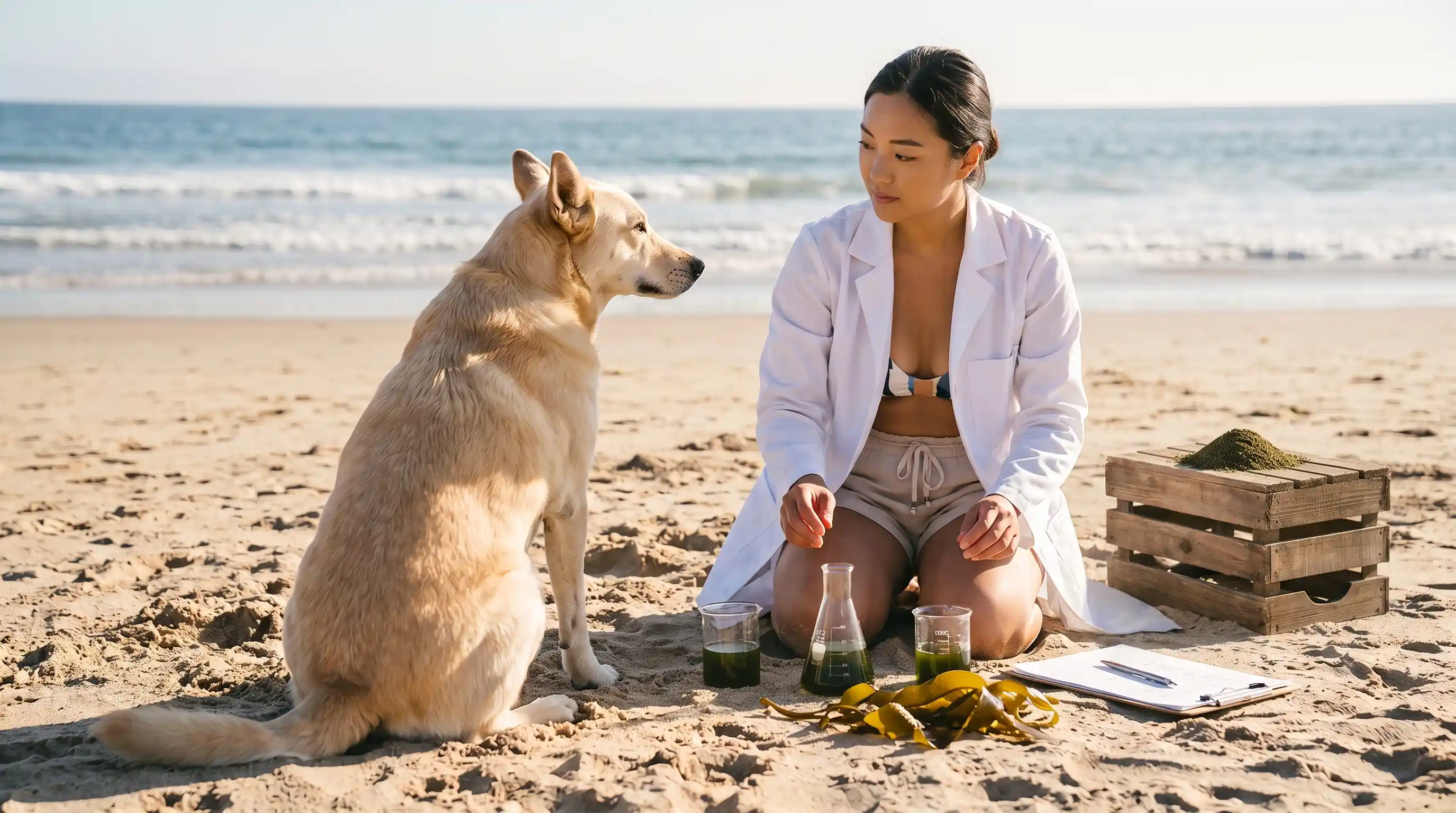
Using seaweed for dogs’ teeth may sound like a modern wellness trend, but marine kelp has been studied in veterinary dentistry for over two decades. Specifically, Ascophyllum nodosum (a cold-water brown sea kelp) contains unique bioactive compounds that support oral hygiene from the inside out. Discover how seaweed works systemically through saliva, how it pairs with parsley, and how to use it safely in your dog's daily meal.
Direct Answer & Decision Fast
The short answer: Seaweed benefits dogs’ teeth because its bioactive compounds (fucoidans, sulfated polysaccharides, and marine minerals) absorb systemically during digestion and enter the bloodstream. They alter salivary enzyme composition, preventing soft bacterial plaque from adhering to tooth enamel and helping keep breath fresh. One daily scoop of Tylas Plaque-Less sprinkled on breakfast provides full-mouth dental support without toothbrushing stress.

Key Nutritional & Bioactive Profile of Marine Kelp
Not all seaweeds are equal. Cold-water Ascophyllum nodosum harvested from clean North Atlantic waters boasts a unique spectrum of ocean bioactives:
| Bioactive / Mineral Component | Mechanism of Action | Oral Health Benefit |
|---|---|---|
| Sulfated Polysaccharides (Fucoidans) | Inhibits bacterial surface adhesion & biofilm matrix formation | Reduces soft plaque accumulation continuously |
| Organic Parsley Chlorophyll | Binds volatile sulfur compounds (VSCs) in the mouth and stomach | Freshens breath & neutralizes oral odors |
| Bioavailable Marine Minerals (Ca, Mg, Zn) | Supports salivary mineral balance and tooth enamel integrity | Supports strong teeth & gum tissue health |
| Natural Organic Iodine | Supports healthy canine metabolism within safe daily limits | Balanced daily micro-nutrient support |
Why Ascophyllum Nodosum + Parsley Is the Ultimate Dual Formula
Tylas Plaque-Less pairs 100% organic North Atlantic Ascophyllum nodosum with organic parsley for a complete 2-way oral action:
1. Systemic Kelp Action (Long-Term Plaque Control)
Kelp bioactives absorb digested nutrients, shifting salivary enzymes so soft plaque biofilm cannot stick to enamel. This protects teeth 24 hours a day, 7 days a week.
2. Immediate Botanical Freshness (Parsley Action)
Organic parsley contains high levels of natural chlorophyll, neutralising foul volatile sulfur compounds directly in the mouth and stomach for noticeably sweeter breath within days.
How to Feed Seaweed Dental Powder Easily
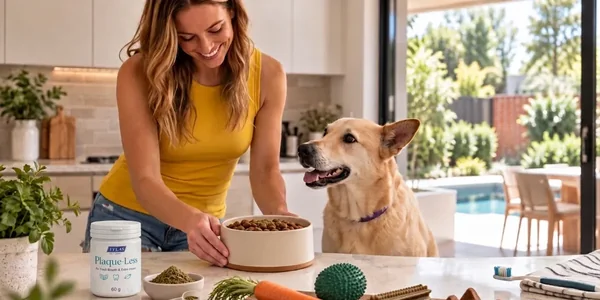
Incorporating Plaque-Less into your dog's morning meal takes less than 5 seconds:
- Measure the Scoop: Use the included enclosed scoop to select the correct daily serving size based on your dog's weight category.
- Sprinkle over Food: Sprinkle directly over dry kibble, wet food, raw diets, or fresh food.
- Mix Gently (Optional): For kibble, add a splash of warm water or bone broth so the fine botanical powder adheres evenly to the food pieces.
Frequently Asked Questions
Can any type of seaweed be fed to dogs?
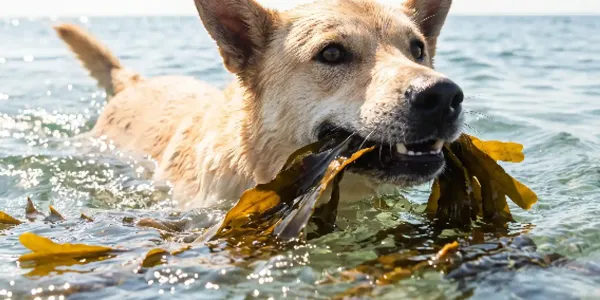
No. Never feed wild beach-washed seaweed to dogs (which can contain high salt, toxins, or swell dangerously in the stomach). Only feed clean, organically harvested, human-grade Ascophyllum nodosum formulated specifically for pet consumption.
Does seaweed dental powder contain fillers?
Tylas Plaque-Less contains zero wheat, corn, soy, artificial preservatives, or synthetic flavorings. It consists of 100% organic Ascophyllum nodosum and organic parsley.
Harness the Power of Ocean Botanicals
Try Tylas Plaque-Less today to support cleaner teeth and fresh breath naturally with organic ocean kelp and parsley. Starting at $0.13/day.
Related Articles in Science & Safety
What Is Ascophyllum Nodosum?
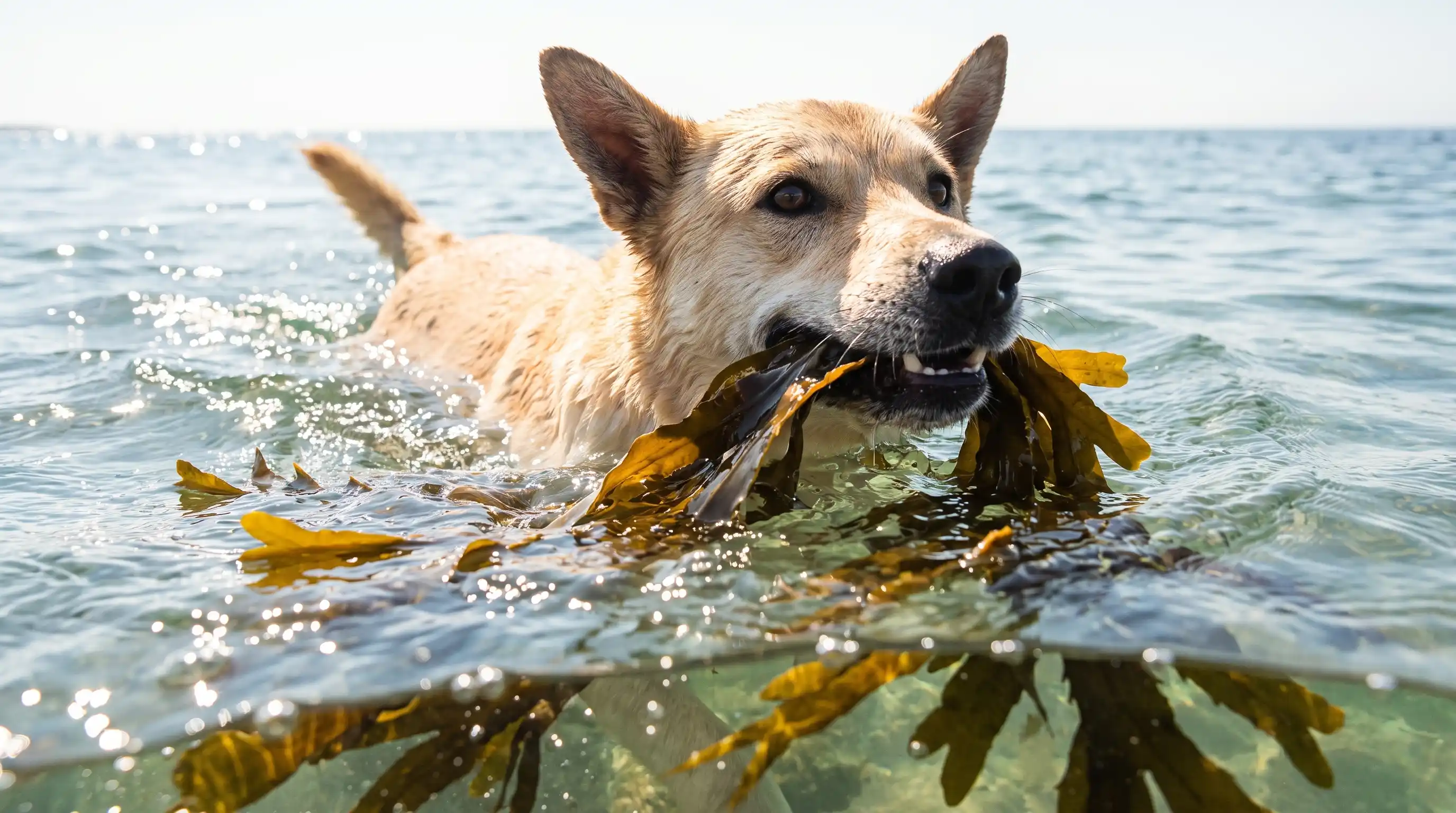
Learn about organic Ascophyllum nodosum (brown sea kelp), its mineral profile, and how it pairs with parsley.
Is Seaweed Dental Powder Safe for Dogs?
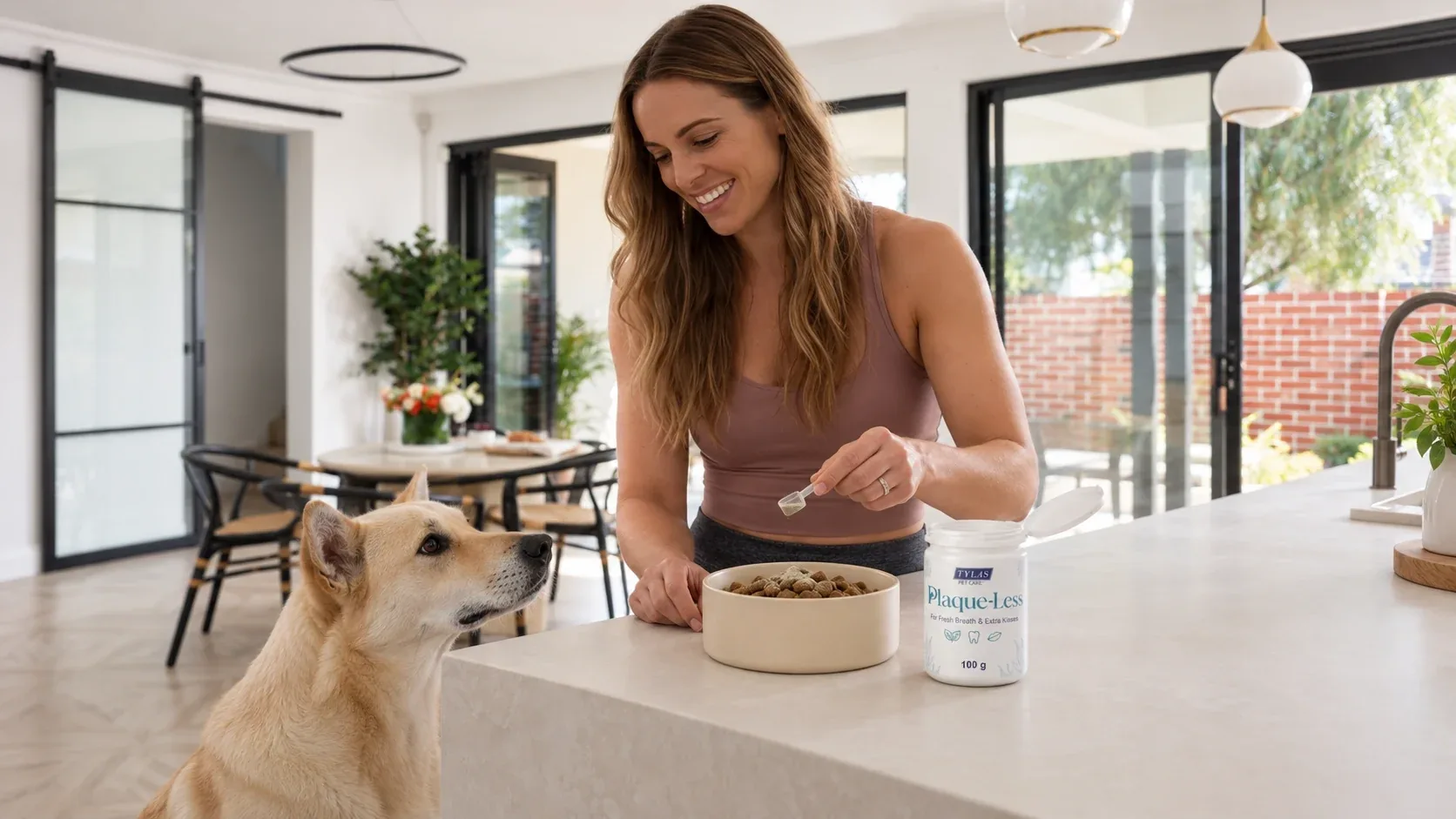
Transparent guidelines on organic iodine levels, serving sizes by body weight, and when to consult your vet.
Do Dog Dental Powders Actually Work?
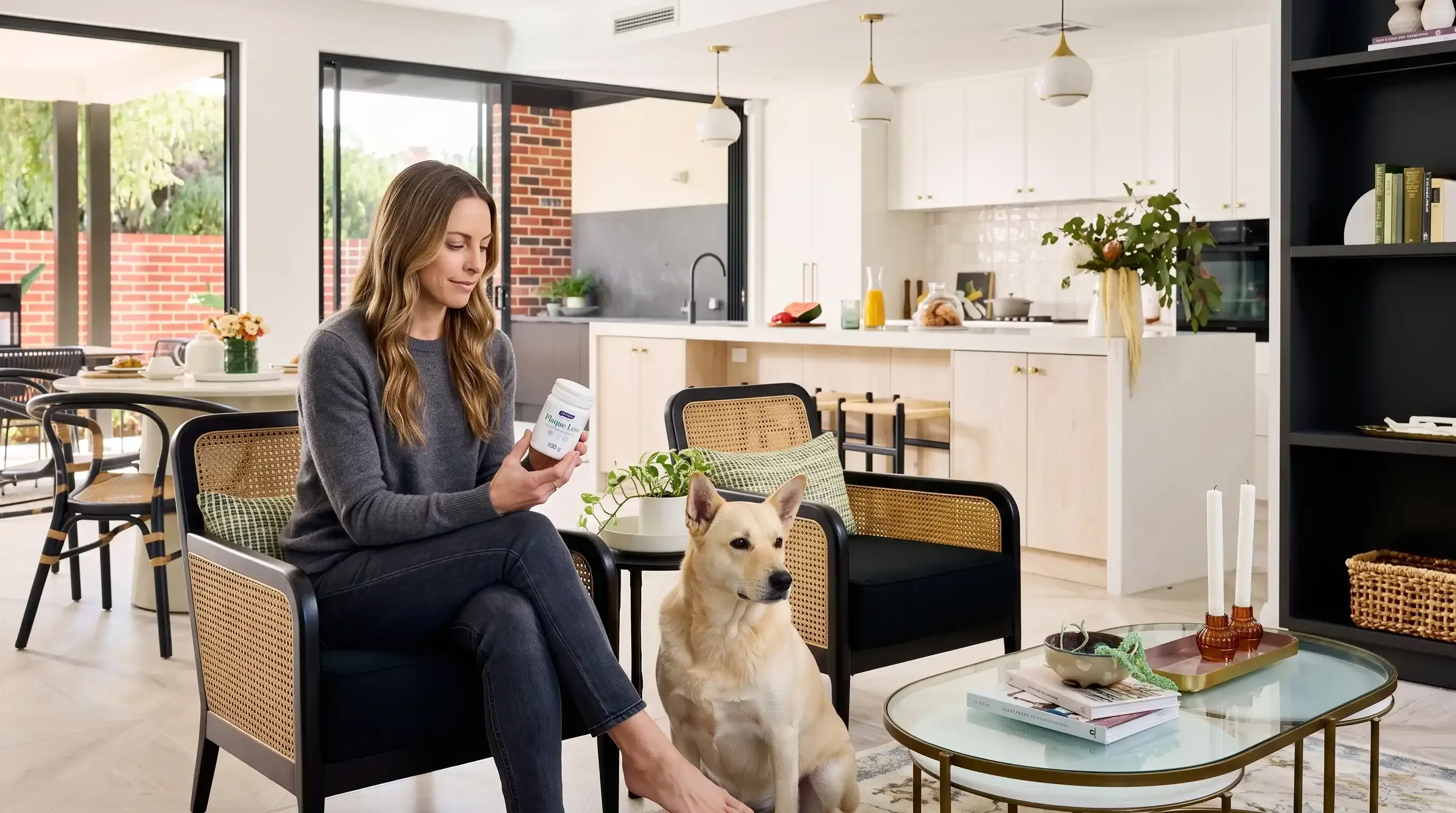
Read realistic expectations on what food toppers CAN do and what requires veterinary care.